

Equipment Accountability

Every weapon, vehicle, and vest — tied to the person who carries it. EP tracks your agency's assets around your people, so you always know who has what, and where it stands in its lifecycle.

Track & Oversee
Consumables & Supplies
Assignments & Transfers
Lifecycle Status
Vehicles & Fleet
Serialized Gear & Tools
Consumables & Supplies
Assignments & Transfers
Lifecycle Status
Vehicles & Fleet
Serialized Gear & Tools
Consumables & Supplies
Assignments & Transfers
Lifecycle Status
Increase Retention

Personnel Roster Visibility

Total Visibility for Your Team’s Total Control

Most inventory tools track gear as a list of stuff on a shelf. EP ties every asset to the person it's issued to — the same profile that holds their certifications, training, and assignment history. Ask "what does this officer have out?" and you get a complete answer in one view: their weapon and its optic, their vest, their vehicle, their radio. When someone transfers, promotes, or separates, you see exactly what has to come back before they walk out the door.

Equipment lives on the individual, not in a separate silo. Pull up any employee and see everything issued to them at a glance — ideal for audits, promotions, and clean separations. When an officer leaves, there's no guesswork about what's still in the field.

<svg xmlns="http://www.w3.org/2000/svg" width="24" height="24" viewBox="0 0 24 24" fill="none">   <path d="M16.477 3.6L16.8 3.6C18.124 3.6 19.2 4.676 19.2 6L19.2 19.2C19.2 20.524 18.124 21.6 16.8 21.6L7.2 21.6C5.876 21.6 4.8 20.524 4.8 19.2L4.8 6C4.8 4.676 5.876 3.6 7.2 3.6L7.522 3.6C7.935 2.884 8.711 2.4 9.6 2.4L14.4 2.4C15.289 2.4 16.065 2.884 16.477 3.6zM14.1 6.6C14.599 6.6 15 6.199 15 5.7C15 5.201 14.599 4.8 14.1 4.8L9.9 4.8C9.401 4.8 9 5.201 9 5.7C9 6.199 9.401 6.6 9.9 6.6L14.1 6.6zM12 15.3C13.159 15.3 14.1 14.359 14.1 13.2C14.1 12.041 13.159 11.1 12 11.1C10.841 11.1 9.9 12.041 9.9 13.2C9.9 14.359 10.841 15.3 12 15.3zM8.486 17.887C8.002 18.473 8.569 19.2 9.326 19.2L14.67 19.2C15.427 19.2 15.994 18.473 15.51 17.887C14.959 17.224 14.126 16.8 13.196 16.8L10.796 16.8C9.866 16.8 9.034 17.224 8.482 17.887z" fill="black"/> </svg>

Every item carries its own history: who had it, when it was issued, when it came back, and why. Add a note on any return — "handed over to GBI," "sent for repair" — and it stays permanently attached to that item. Reassign gear across shifts or units and the record follows it, fully intact.

<svg xmlns="http://www.w3.org/2000/svg" width="24" height="24" viewBox="0 0 24 24" fill="none">   <path d="M10.8 2.4L10.8 4.8C10.8 5.13 11.07 5.4 11.4 5.4L12.6 5.4C12.93 5.4 13.2 5.13 13.2 4.8L13.2 2.4L14.4 2.4C15.724 2.4 16.8 3.476 16.8 4.8L16.8 9.6C16.8 9.806 16.774 10.009 16.725 10.2L7.275 10.2C7.226 10.009 7.2 9.806 7.2 9.6L7.2 4.8C7.2 3.476 8.276 2.4 9.6 2.4L10.8 2.4zM14.4 21.6C13.98 21.6 13.582 21.491 13.237 21.3C13.594 20.681 13.8 19.965 13.8 19.2L13.8 14.4C13.8 13.635 13.594 12.919 13.237 12.3C13.582 12.109 13.976 12 14.4 12L15.6 12L15.6 14.4C15.6 14.73 15.87 15 16.2 15L17.4 15C17.73 15 18 14.73 18 14.4L18 12L19.2 12C20.524 12 21.6 13.076 21.6 14.4L21.6 19.2C21.6 20.524 20.524 21.6 19.2 21.6L14.4 21.6zM2.4 14.4C2.4 13.076 3.476 12 4.8 12L6 12L6 14.4C6 14.73 6.27 15 6.6 15L7.8 15C8.13 15 8.4 14.73 8.4 14.4L8.4 12L9.6 12C10.924 12 12 13.076 12 14.4L12 19.2C12 20.524 10.924 21.6 9.6 21.6L4.8 21.6C3.476 21.6 2.4 20.524 2.4 19.2L2.4 14.4z" fill="black"/> </svg>

A patrol rifle isn't one serial number — it's the rifle, the optic, the light, the suppressor. EP tracks component serials together as a single set that stays with the weapon through its lifecycle, so nothing gets lost in a spreadsheet. The same applies to any gear where the parts matter.

<svg xmlns="http://www.w3.org/2000/svg" width="24" height="24" viewBox="0 0 24 24" fill="none">   <path d="M23.756 12C23.756 12.116 23.692 12.229 23.587 12.281L20.246 14.287C20.194 14.318 20.141 14.34 20.077 14.34C20.025 14.34 19.961 14.329 19.909 14.299C19.804 14.235 19.74 14.13 19.74 14.006L19.74 12.671L11.089 12.671C12.037 14.156 12.607 16.68 13.699 16.68L14.7 16.68L14.7 15.675C14.7 15.487 14.846 15.341 15.034 15.341L18.375 15.341C18.562 15.341 18.709 15.487 18.709 15.675L18.709 19.016C18.709 19.204 18.562 19.35 18.375 19.35L15.034 19.35C14.846 19.35 14.7 19.204 14.7 19.016L14.7 18.015L13.699 18.015C10.871 18.015 10.657 12.671 9.022 12.671L5.261 12.671C4.957 13.819 3.915 14.677 2.674 14.677C1.2 14.674 0 13.474 0 12C0 10.526 1.2 9.326 2.674 9.326C3.915 9.326 4.961 10.181 5.261 11.332C6.728 11.332 6.907 11.689 8.059 9.068C9.562 5.726 10.237 5.989 12.143 5.989C12.424 5.205 13.155 4.654 14.032 4.654C15.139 4.654 16.039 5.55 16.039 6.66C16.039 7.77 15.143 8.666 14.032 8.666C13.155 8.666 12.424 8.111 12.143 7.331L11.025 7.331C9.934 7.331 9.364 9.859 8.415 11.34L19.744 11.34L19.744 10.005C19.744 9.881 19.808 9.776 19.912 9.713C20.017 9.649 20.152 9.66 20.246 9.724L23.587 11.73C23.692 11.771 23.756 11.884 23.756 12z" fill="black"/> </svg>

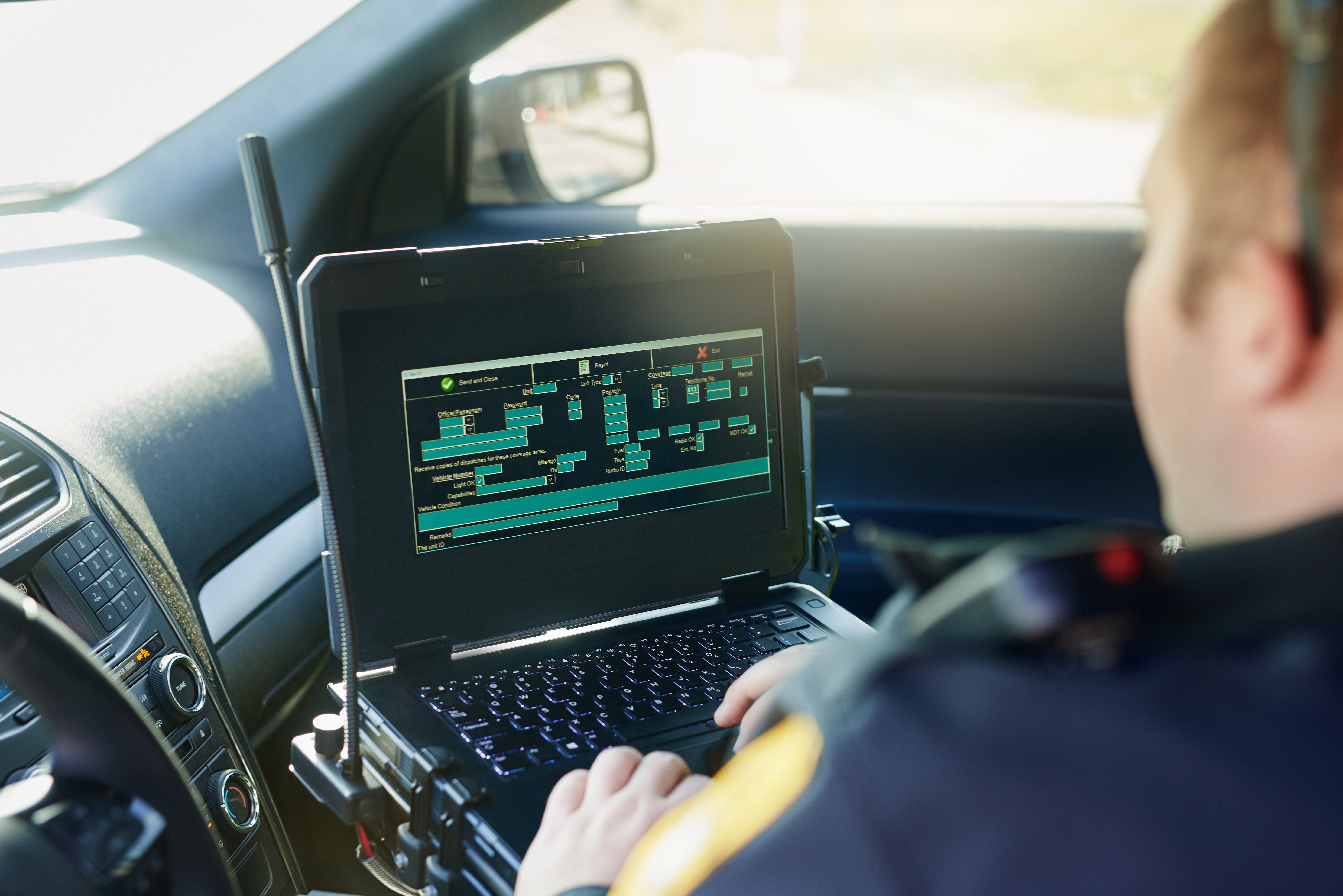
Vehicle records hold what your fleet manager actually needs — unit number, plate, VIN, radio ID, fuel key, camera type, toll transponder. Connect a supported GPS provider and live location and mileage flow straight into each vehicle's profile, no separate system to check.

<svg xmlns="http://www.w3.org/2000/svg" width="24" height="24" viewBox="0 0 24 24" fill="none">   <path d="M9.9 4.2L14.1 4.2C14.265 4.2 14.4 4.335 14.4 4.5L14.4 6L9.6 6L9.6 4.5C9.6 4.335 9.735 4.2 9.9 4.2zM7.8 4.5L7.8 6L4.8 6C3.476 6 2.4 7.076 2.4 8.4L2.4 12L13.838 12C15.105 10.879 16.774 10.2 18.6 10.2C19.672 10.2 20.685 10.432 21.6 10.852L21.6 8.4C21.6 7.076 20.524 6 19.2 6L16.2 6L16.2 4.5C16.2 3.341 15.259 2.4 14.1 2.4L9.9 2.4C8.741 2.4 7.8 3.341 7.8 4.5zM10.8 15.6C10.136 15.6 9.6 15.064 9.6 14.4L9.6 13.8L2.4 13.8L2.4 18C2.4 19.324 3.476 20.4 4.8 20.4L12.052 20.4C11.632 19.485 11.4 18.473 11.4 17.4C11.4 16.777 11.479 16.174 11.625 15.6L10.8 15.6zM24 17.4C24 14.419 21.581 12 18.6 12C15.619 12 13.2 14.419 13.2 17.4C13.2 20.381 15.619 22.8 18.6 22.8C21.581 22.8 24 20.381 24 17.4zM18.6 14.4C18.93 14.4 19.2 14.67 19.2 15L19.2 16.8L20.4 16.8C20.73 16.8 21 17.07 21 17.4C21 17.73 20.73 18 20.4 18L18.6 18C18.27 18 18 17.73 18 17.4L18 15C18 14.67 18.27 14.4 18.6 14.4z" fill="black"/> </svg>

Accountability, Not Guesswork

Customizable inspection forms, status tracking from issue to retirement, bulk import from your existing spreadsheets, and reporting that answers real questions — like every Glock 17 issued after a given date. Built CJIS-compliant, like everything in EP.

Find What Fits Your Team

Every public service environment operates differently. See how Essential Personnel is tailored to meet the specific operational, leadership, and compliance needs of your sector.

Answers to Your Equipment Accountability Questions

Nobody notices equipment tracking until an item goes missing or someone resigns. These are the questions quartermasters, fleet managers and chiefs bring us.

Equipment accountability software organises assets around people. Conventional asset management software organises them around locations, cost centres or asset classes, which is the right model for a warehouse and the wrong one for an agency. Asset management software is not wrong, it is just answering a different question.

The difference shows the moment you ask a real question. Who has serial 4471. What is issued to the officer being promoted next month. Which vests are past their replacement date and who is wearing them. Asset management software built for facilities can usually answer where an item is, but not whose it is, and in public safety whose it is happens to be the entire point.

Essential Personnel puts equipment on the individual rather than in a separate silo, so pulling up any employee shows everything issued to them at a glance. Weapons, vests, radios and vehicles appear on one screen rather than in four systems, which is what makes audits, promotions and separations straightforward. Very little general asset management software is built to do that.

Chain of custody software has one job, and this is it. Every item carries its own record of who had it, when it was issued, when it came back, and why. Notes can be added on any return, so an entry like handed over to GBI or sent for repair stays permanently attached to that item rather than living in someone's memory.

That permanence is what separates real chain of custody software from a sign out sheet. A spreadsheet tells you where something is now. Chain of custody software tells you everywhere it has been, which is the version you need when an item surfaces in a complaint, an audit, or a court proceeding years later.

It is worth being precise about scope. This is chain of custody for agency issued property, not for evidence. Evidence handling has its own statutory requirements and its own systems, and no general chain of custody software should be used in their place.

Yes, and this is one of the specific gaps that pushes agencies away from generic tools. A patrol rifle is not one serial number. It is the rifle, the optic, the light and the suppressor, and each of those carries its own serial.

Armory management software has to model this properly or it is useless. Component serials are tracked together as a single set that stays with the weapon. Swap an optic between two rifles and the record follows it, rather than leaving you with a rifle serial and a drawer of loose paperwork.

This is usually the deciding test for armory management software. Most general inventory tools, and plenty of tools sold as armory management software, model one item as one serial and cannot represent a parent asset with serialized children, so agencies end up maintaining a second spreadsheet for optics and lights, which defeats the purpose. Ask any armory management software vendor to demonstrate a component swap on screen before you buy.

You pull up the individual and see everything still issued to them. That single screen is the separation audit, and it is the capability agencies most consistently underestimate until the first time they need it.

The usual failure is discovering months later, during an inventory, that a radio and a vest left with someone. By then nobody can say what was returned, the person is gone, and the loss becomes an accounting problem rather than a recoverable one.

The same view does useful work at promotion and transfer, when gear moves between assignments and the old issue is easy to forget. Doing it as a checklist against a live record takes minutes. Reconstructing it afterwards takes weeks and rarely produces a defensible answer.

Partly, and the honest answer is that it complements fleet management software rather than replacing it. Vehicle records hold the fields a fleet manager actually uses: unit number, plate, VIN, radio ID, fuel key, camera type and toll transponder. Connect a supported GPS provider and live location and mileage flow into each vehicle's profile.

Be clear about the boundary. This is not full fleet management software. It does not run preventive maintenance scheduling, work orders, parts inventory or fuel cost analysis, and an agency with a large fleet and a dedicated shop will keep dedicated fleet management software for that.

What it does is keep vehicles on the same record as the people and the rest of the gear, so an apparatus accident, the assigned crew and the vehicle history sit together rather than in three systems. For many departments that is the missing piece, and the fleet management software they already own carries on doing the maintenance side.

For issued property, generally yes. For warehouse inventory management software functions, no, and it is better to say so now than to discover it during rollout.

Commercial inventory management software is built around stock levels, reorder points, purchasing and sometimes barcode driven picking. Essential Personnel does not cover purchase orders, procurement, depreciation, warranty tracking or finance integration. If those are your requirements, that is a different product category.

Where it wins is the part inventory management software is worst at: tying an item to a named person and keeping that history. Most agencies find their real problem was never counting the stock, it was knowing who holds it, so the inventory management software question turns out to be the wrong question.

Consumables and supplies are tracked alongside serialized gear, so ammunition, medical supplies and similar items are managed in the same place rather than in a separate spreadsheet nobody updates.

The practical advice is to decide early what you are actually going to track at the individual level and what you are not. Agencies that try to account for every glove box item abandon the discipline within a quarter, and the serialized tracking degrades with it because people stop trusting the system.

Track consumables where issue matters, which usually means duty ammunition, controlled medical items and anything with an expiry date. Leave genuinely fungible stock to whatever supply process you already run.

Yes, through customizable inspection forms, with status tracking from issue through inspection to retirement.

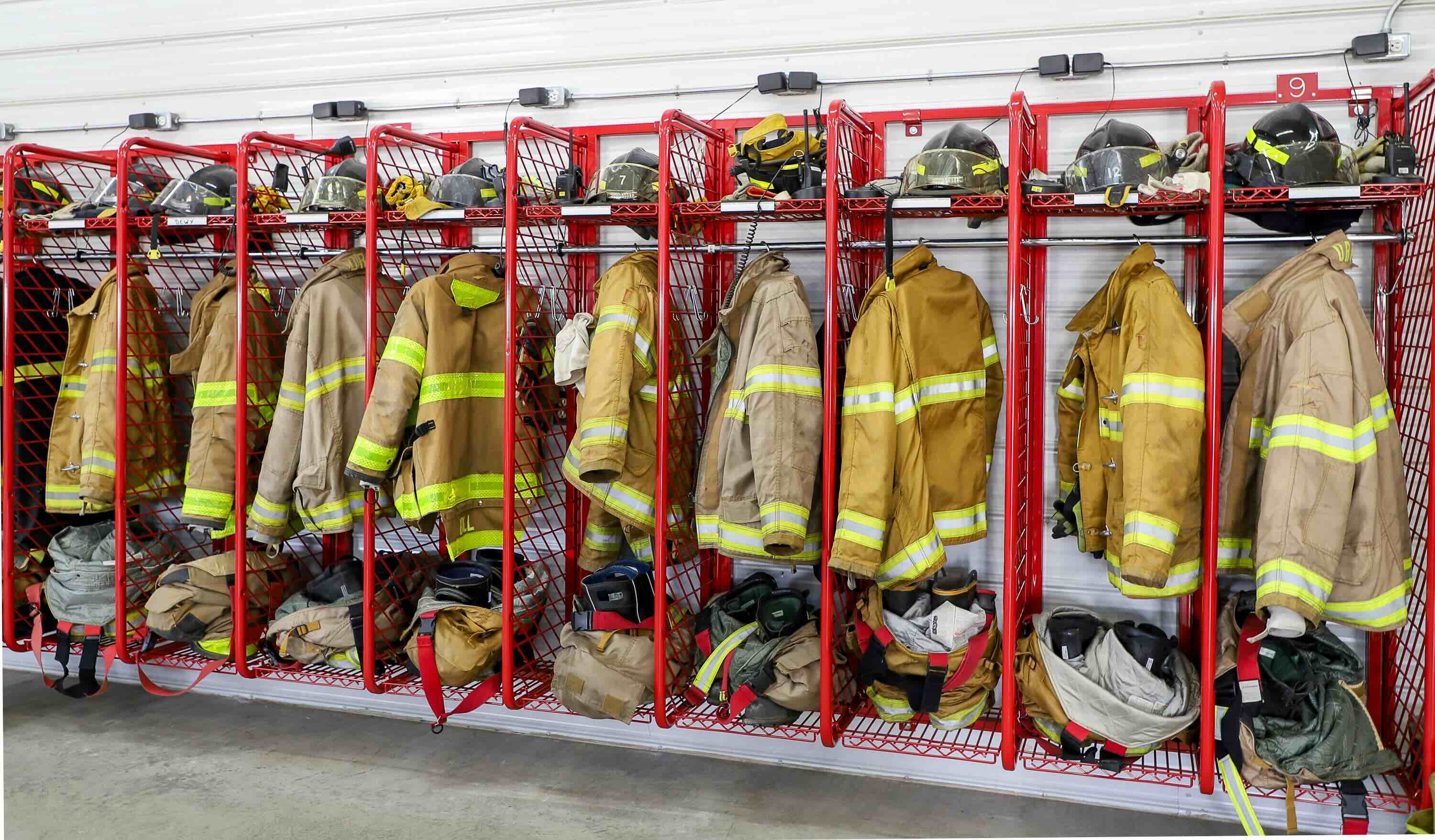
This matters most where an inspection cycle is mandated rather than optional. Turnout gear carries advanced inspection requirements under NFPA standards, body armor carries replacement cycles that trace back to National Institute of Justice performance standards, and both are the kind of thing a CALEA assessor or an attorney will ask you to evidence.

Because the inspection attaches to the item and the item attaches to a person, the record answers both halves of the question at once: the gear was inspected, and here is who was wearing it.

No. This is asset tracking software in the accountability sense rather than the scanning sense. It is built around per person assignment and serial numbers rather than scan driven warehouse workflows, and nothing on this page depends on barcode, QR or RFID scanning.

For most agencies that is the right trade. Barcoding a few thousand items is a real project, and asset tracking software that depends on it only pays back where scan volume is genuinely high. The accountability problem is usually solved by knowing who holds an item, not by scanning it faster.

If your operation genuinely does need scan based check in and check out at a counter, raise it in the demo and be specific about volumes. Asset tracking software built around scanning solves a different problem, and it is worth establishing the fit before you commit rather than after, because retrofitting asset tracking software onto a live deployment is painful.

Bulk import from existing spreadsheets is supported, which is how nearly every agency starts, because the current record is almost always a spreadsheet.

Treat the import as a reconciliation rather than a copy. The spreadsheet is usually wrong in known ways, with items long since retired, people who left years ago, and serials transcribed by hand. Loading it unchanged gives you equipment tracking software that inherits every existing error and is distrusted from day one.

The agencies that get value fastest from equipment tracking software do a physical count of the high value categories first, weapons and vehicles typically, import clean data for those, then bring the rest across over the following months.

Query based reporting is designed for specific operational questions rather than generic exports. The example the product uses is every Glock 17 issued after a given date, which is exactly the shape of question that is painful in a spreadsheet and trivial against a live record.

Recall situations are where equipment tracking software pays for itself. A manufacturer recall, a failed batch of vests, or a discovered defect turns into a list of affected serials and the named people holding them, produced in minutes.

Equipment tracking software should be judged on that test. Not whether it can produce a full inventory report, which everything can, but whether it can answer a narrow question under time pressure.

Because it sits on the same employee record as training, performance and wellness. That is the whole argument for equipment management software living inside a personnel platform rather than beside one.

That connection does practical work. A qualification in Talent Management can be the prerequisite for carrying a particular weapon. An apparatus accident recorded in Safety and Wellness relates to a vehicle in the equipment record. A separation touches both at once. Standalone equipment management software can do none of that without an integration project, and integration projects are where small agency budgets go to die.

Equipment management software bolted on from outside never gets that context. Access is governed by the same controls as everything else, and the platform is CJIS aligned and SOC 2 Type II. Agencies pursuing accreditation through bodies such as IACP affiliated programs generally have to evidence property accountability anyway, whether they run law enforcement or fire and EMS operations, and equipment management software that shares the personnel record makes that a query rather than a project.

Want to see your own roster with gear attached to it before you commit? Walk through it with our team.

Request a Demo