Professional Standards software for Fire & EMS

Fire and EMS operations depend on preparedness, coordination, and accountability. Essential Personnel gives departments a single Professional Standards solution to manage training, monitor wellness, communicate guidance, and track critical equipment, helping your crews stay ready to respond at a moment’s notice.

Agencies that Trust Essential Personnel

Built for Fire & EMS Operations

Everything Your Department Needs to Stay Response Ready

Empower your department with the tools to develop personnel, protect crew wellness, streamline communication, and manage mission-critical equipment—all from one secure platform built for Fire & EMS.
Performance & Professional Development

Make defensible and insightful personnel decisions
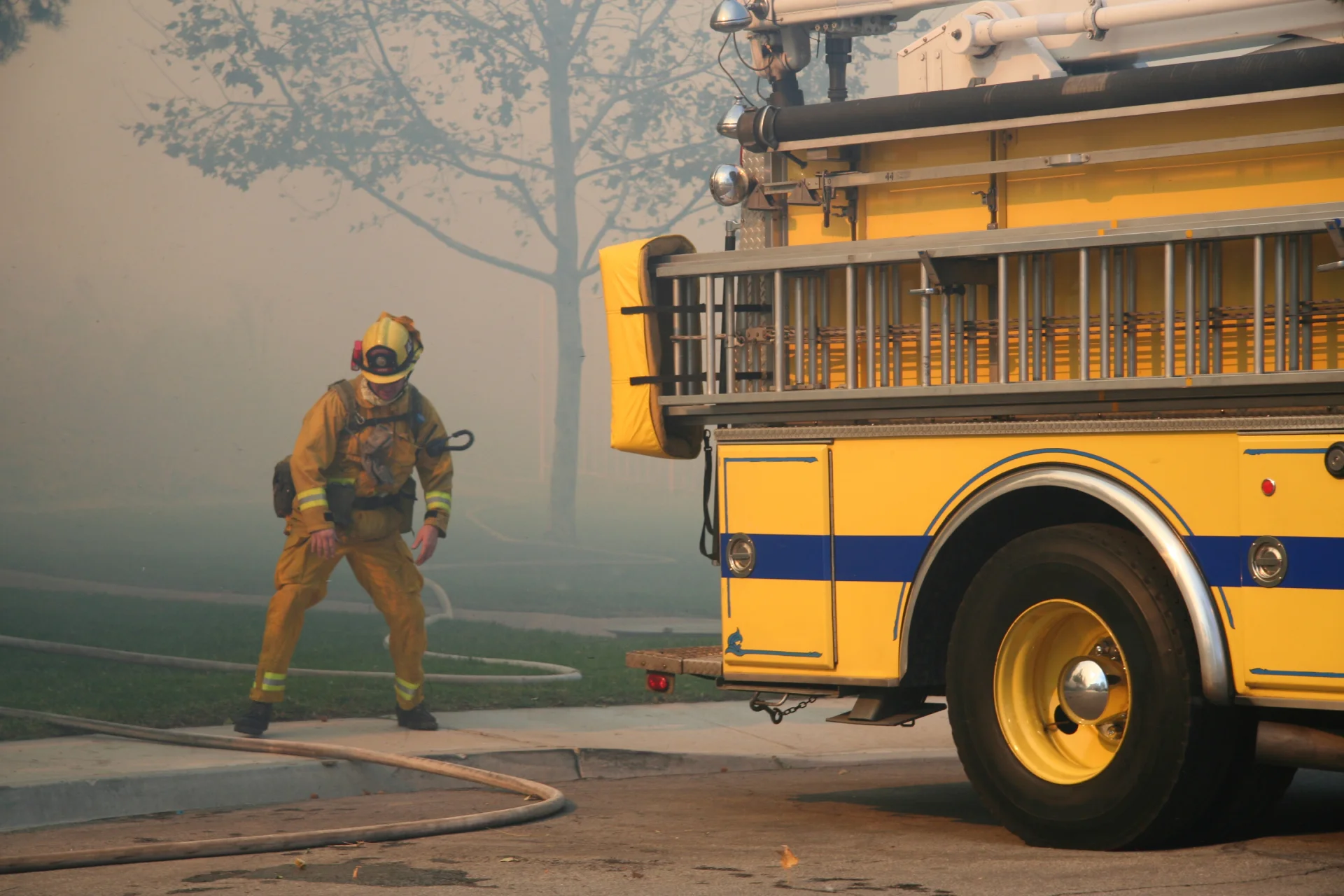
"Generalist" HR softwares are not appropriate for the operational characteristics of the Fire Service. EP provides a robust set of tools tailored for your leaders to coach, mentor and evaluate. Modern and easy tools like 360s, Leader's Notes and Awards ensure feedback can become routine. Young firefighters want feedback! Document it in EP.
Safety & Wellness

Proactive Tools for Resilient Crews
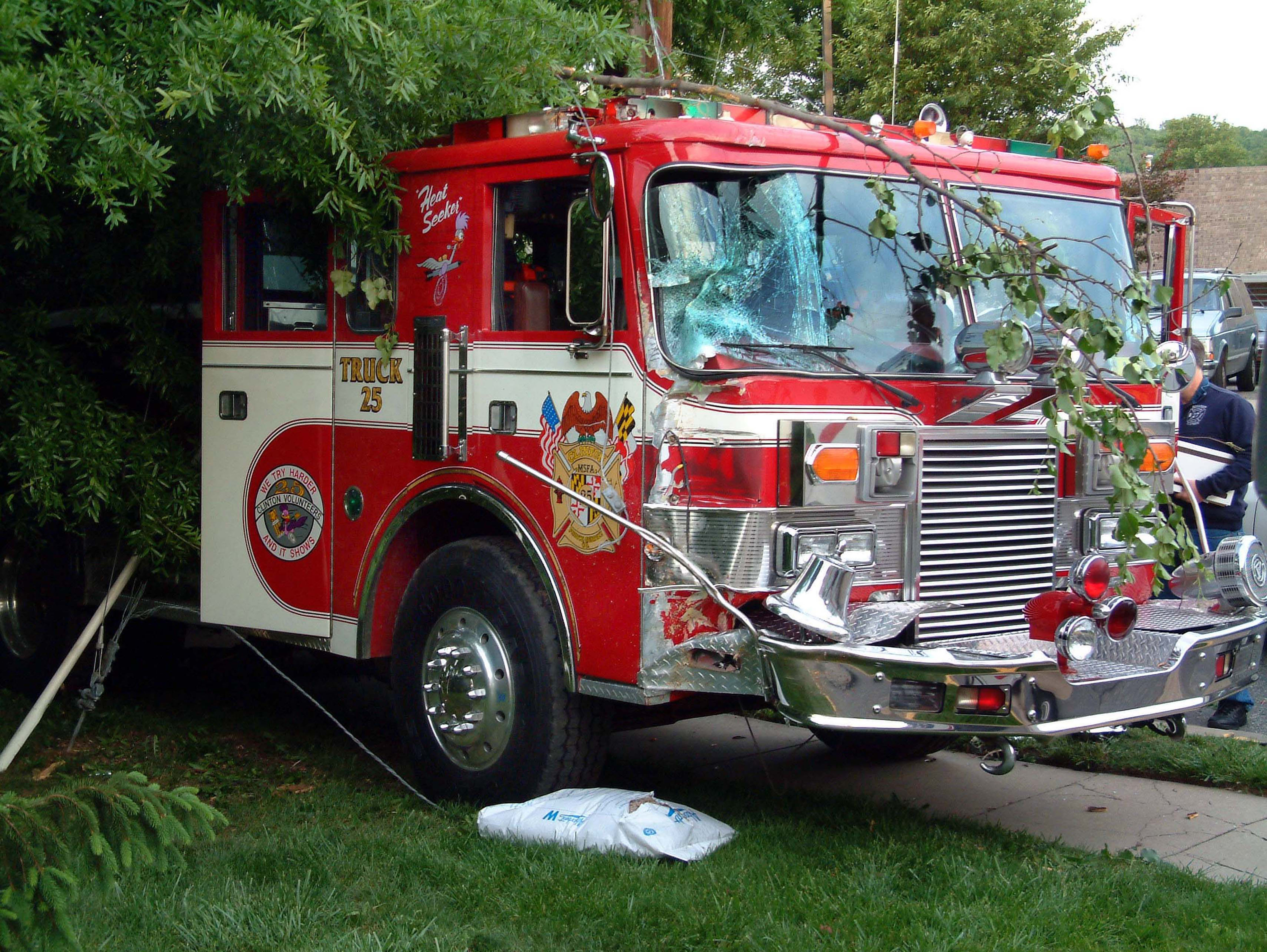
Firefighting and EMS work is physically and emotionally demanding. EP gives leaders the data they need to track apparatus accidents, injuries, monitor exposure to high-stress incidents, and flag potential wellness risks early. By acting before small issues become major problems, you can protect your crews and maintain operational readiness.

Guidance

Policies, Memos, Near-Miss Reports, Transfers, etc..
Still emailing out critical documents? Posting in Sharepoint or using a siloed software? Consolidate this functionality into EP's broader suite of tools for professional standards. Key functionality of version control and acknowledgment tracking.

Recruit & Probationary tracking

Documentation during the critical phase of a young employee's career
Young recruits and probies deserve feedback and counseling. If you need to make an important decision before probation ends, you must have everything documented. EP's tools ensure it can be done quickly, easily and transparently.

Training Management

Drowning in spreadsheets, emails and filing cabinets?
Every tool a Training Division needs to streamline their administrative efforts (so they can focus on actually training!). Task books, ISO hour management, certifications and qualifications are all tracked as part of the employee profile. Training event management streamlines conference requests and scheduling internal classes.
i was cleaning my laptop and i found it wonderful. see ya.by Alexandre Debiève

Technology

  • AWS encrypted boot & block volumes for data storage
  • MongoDB deployment for customer data that includes encryption, user authentication and SSL encryption for all traffic
  • All traffic between application tiers (Client Browser, Load Balancers, Application Servers, Storage and Databases) are encrypted with 2048 bit SSL certificates.
  • EP hosts its cloud resources in AWS's Columbus, OH (us-east-2) and Portland, OR (us-west-2) datacenters (primary is in Columbus)
  • We do not use resources outside the United States
  • Containerized, isolated deployments for every customer
  • Least-privilege, Role Based Access Controls
  • End-to-end encryption with modern TLS
  • Firewalled servers
  • Cloudflare DDoS and Security protections
  • Source code security scanning
shallow focus photography of computer codesby Shahadat Rahman

Integrations & Partners

ESO offers an integrated suite of software products for EMS agencies, fire departments, and hospitals.

Aladtec provides public safety employee scheduling to match shifts to your rotation patterns and monitor minimum staffing requirements.

If you feel the desire to write a book, what would it be about?by Glenn Carstens-Peters

In-app Chat for Customer Service

Don’t want to call or email?  We offer an in-app chat tool that connects all of your users to our client success team and software engineers. This is a popular tool that emphasizes our commitment to overwhelming customer success. 
Designs for Facebook & Instagram influencers > https://creativemarket.com/NordWoodby NordWood Themes

Single-Sign-On

Single sign-on (SSO) is an authentication scheme that allows a user to log in with a single ID to any of several related, yet independent, software systems. 

Benefits of using single sign-on include:

  • Mitigate risk for access to 3rd-party sites. Because user passwords are not stored or managed externally
  • Reduce password fatigue from different username and password combinations
  • Reduce time spent re-entering passwords for the same identity
  • Better network security. Eliminating multiple passwords also reduces a common source of security breaches—users writing down their passwords. 
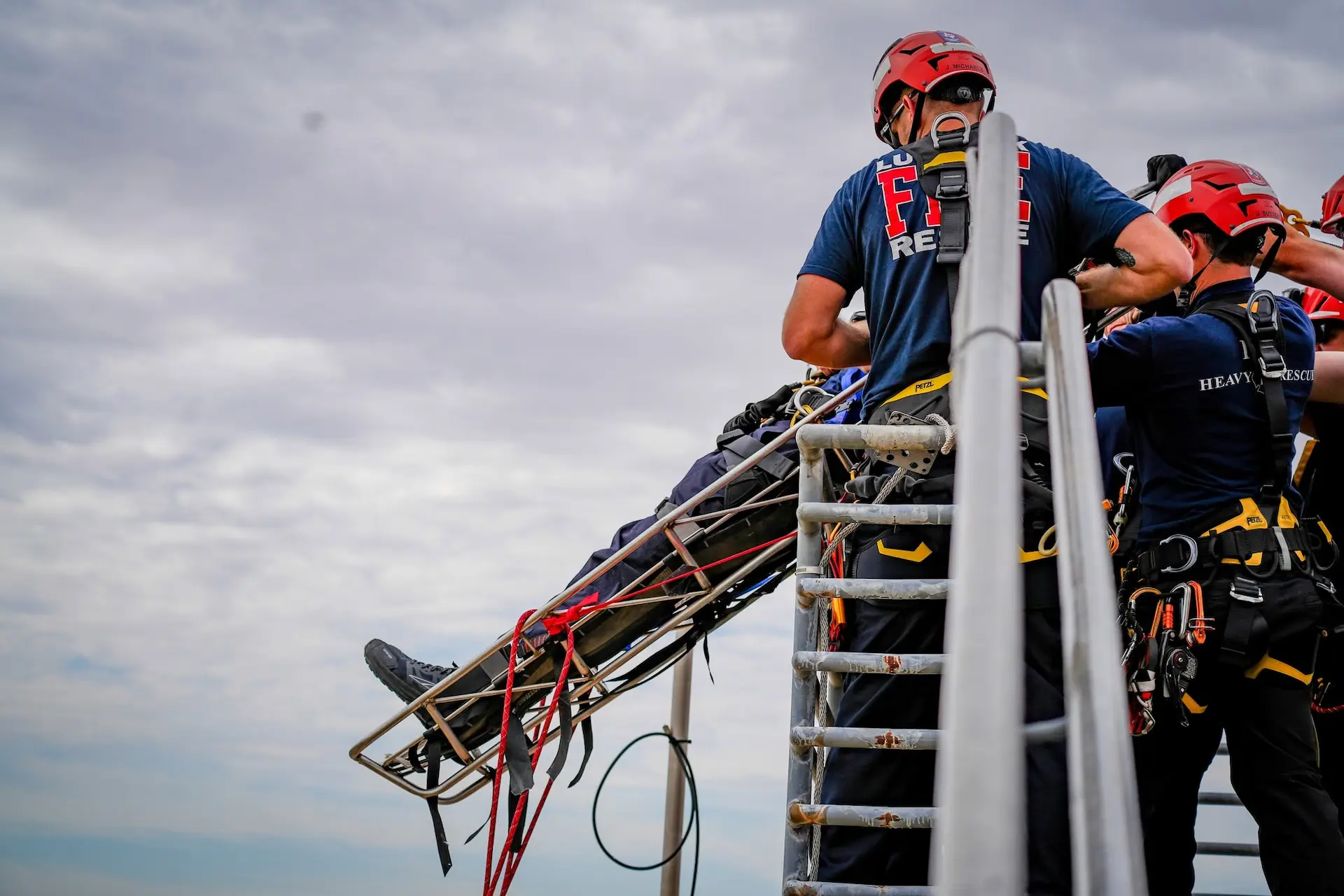
Lubbock Fire and Rescue repelling

See How EP Works for Your Department


Experience how EP can streamline operational readiness for your department. Request a demo to explore the tools, integrations, and insights that help law enforcement teams stay ready, accountable, and effective.

Integrations & Partners

ProdigyEMS logo
ProdigyEMS

ESO offers an integrated suite of software products for EMS agencies, fire departments, and hospitals.

ESO offers an integrated suite of software products for EMS agencies, fire departments, and hospitals.

Aladtec provides public safety employee scheduling to match shifts to your rotation patterns and monitor minimum staffing requirements.

Seamlessly transfer incident data into EP's early warning and case managment system.

Real-time alerts, latest news, messaging, easy-to-update and automated mission-critical information.
Transfer critical incident information and integrate into EP wellness profiles and early warning alert systems.

Sync credentialing information for a comprehensive view of training and performance.

Access to a secure online exam platform. Create engaging exams or quizzes and integrate results into a user's profile.
Automatically populates mileage, runtime/engine hours and current location of any vehicle into EP fleet for better tracking and maintenance.

Sync e-learning and instructor-led training into Essential Personnel's Logbook.

Answers to Your Fire and EMS Software Questions

Readiness is a records problem before it is anything else. These are the questions fire chiefs, training officers and EMS supervisors ask us most.

Four things, and most products only do two. Hour and activity logging, event management with cost and attendance, certification currency with expiration alerts, and task book tracking. Fire department software that covers online course delivery alone still leaves your training officer maintaining a certification spreadsheet by hand.

The test is whether your annual reporting falls out of daily work. If someone has to assemble the ISO or accreditation submission from scratch each year, the fire department software is not doing its job regardless of how good the course library is.

Ask any fire department software vendor to show a report of everyone whose certification lapses in the next ninety days. It is the most common real question a training officer has, and it separates fire department software that holds records from fire department software that uses them.

Fire department training software has to do four things at once, and this covers all four. Logbook records hours, activities, custom goals and benchmarks with identifiers for sorting and reporting. Events tracks training events with attendance and cost and integrates with Outlook and Google Calendar, which is where most fire department training software stops. Certifications tracks credentials, expirations, completions and source documents. Qualifications produces task books, new employee check offs and specialty equipment check offs.

Task books are where paper persists longest in the fire service, and where most fire department training software falls short. A task book half completed by a member who transferred stations is invisible until someone needs the qualification.

Good fire department training software keeps the evidence with the record rather than in a folder. Officer development task books follow NFPA professional qualification standards, and the source documents attach to the record rather than living in a folder.

Substantially, because both are queries against training data you already capture. West Manatee Fire Rescue used Essential Personnel to improve ISO training tracking, and Myrtle Beach Fire Department runs its training management the same way.

ISO company and driver hours, and the evidence that Center for Public Safety Excellence accreditation asks for, are exactly the shape of report that is brutal in a spreadsheet and trivial against a live record.

It will not fill in your submission for you. What it removes is the six week scramble to reconstruct hours that were recorded accurately at the time and then scattered.

No, and that distinction is worth getting right before a demo. A learning management system delivers courses and tracks completion of those courses. Essential Personnel is the system of record for training rather than a course library, and departments generally run it alongside whatever course provider they already use.

If your requirement is online course delivery for firefighters or EMS personnel, you need a learning management system and this is not one. If your requirement is proving who is current, who is qualified, what it cost and where the certificate is, that is exactly what this does.

Most departments already run a learning management system, and keeping it is the right call. Far fewer can produce a defensible readiness picture on demand, which is the gap this fills, and it is why a learning management system and a system of record sit alongside each other rather than competing.

Firefighter training records for recruits are where inconsistency does the most damage. Recruit and probationary tracking runs on structured evaluations rather than free text, with progress rolling into Score Reports and Analytics so training staff see a whole class rather than a stack of forms.

Score normalisation matters here because probationary evaluations are inconsistent between evaluators, and a probationer's outcome should not depend on which officer assessed them. Normalised scoring makes a class comparable, which is what turns firefighter training records into a decision tool rather than an archive.

Champaign Fire Department raised the bar during recruit school and probation using this approach. Firefighter training records built this way also carry forward, so the probationary picture and the career record are the same record. Departments that keep firefighter training records only for the probation period lose exactly the history they later need.

Motor vehicle accidents and injuries are tracked event types in Incident and Case Management, recorded against the member involved rather than only against the apparatus.

That is deliberate. An apparatus accident is simultaneously a vehicle event, a possible injury, a training question and sometimes an early warning signal, and filing it only against the truck loses three of those. Incidents can also be mapped to a designated PDF auto filled with the incident data, often the state workers compensation report.

The apparatus record itself lives in Equipment with unit number, plate, VIN, radio ID and GPS integration, so the vehicle history and the personnel record stay connected.

Yes, and for most fire departments this is the strongest single reason to adopt the platform. Exposures are a tracked event type attached to the member, so they accumulate for as long as that person serves.

Presumptive illness legislation and occupational cancer claims turn on exposure history, and a department that logged exposures on paper usually cannot reconstruct one twenty years later. The Firefighter Cancer Support Network and the IAFF have spent years making that case.

Treat it as an obligation to your members rather than an administrative task and the discipline around logging tends to look after itself. Detail is on the Safety and Wellness page.

The record keeping model does not care whether a member is career, volunteer or paid on call, and combination departments are often where the tracking problem is worst because the same certification requirements apply to people with very different availability.

The practical consideration is pricing, which is per user billed annually. A large volunteer roster changes the arithmetic compared with a small career department, so run your actual headcount against the published pricing early rather than assuming.

Ask about size based discounts, which exist. It is a conversation worth having before you scope the rollout.

EMS software is often bought for dispatch or patient care reporting and then expected to handle credentials, which it rarely does well. Here EMS credentials are tracked through Certifications with expirations, completions and source documents, the same as fire credentials, and the expiry reporting is what most services actually need.

The complication in EMS is that a member may hold state licensure, a national registry credential and agency specific authorisations at once, each with its own cycle. Tracking those in one place is the value, and it is the gap most EMS software leaves. Tracking them in three spreadsheets is the status quo.

As with fire, this is records rather than course delivery. If you need EMS continuing education content you will keep a provider for it, and this sits alongside the EMS software you already run for operations rather than replacing it. Treat EMS software as response and this as readiness.

Guidance publishes policies, procedures, memos, announcements, lessons learned and research with version control and employee acknowledgement.

Standard operating guidelines are the acute case in fire, because the current version and one three revisions old are both in circulation and nobody is certain which is on the apparatus. Version control fixes that only if the repository is the single published source.

Lessons Learned is the underused one. A good post incident debrief usually evaporates because there is nowhere durable to put it. Detail is on the Guidance page.

Yes. Special Teams and Committees supports creating and managing custom teams and tracking memberships and assignments, and Roster filters by certification and qualification.

For a special operations chief the useful question is not who is on the team but who currently holds the qualifications the team needs, which is a roster query rather than a membership list. Those diverge quickly as certifications lapse.

The drag and drop Organization Chart handles structure and vacancies on the same live roster. More on the Talent Management page.

Pricing is per user billed annually. The bundled Total Solution is $175 per user, individual suites run from $20 to $85 per user, and a one time startup fee of $3,000 covers onboarding, support and training. Optional single sign on is $800 per year. Size based discounts are available.

Published pricing is unusual in this category, so you can benchmark against quote only vendors before starting a procurement.

Essential Personnel is available through GSA Advantage, NASPO, Omnia Partners, NCSA and VSA, which for many departments is the difference between deploying this budget year and waiting for the next.

Want to see your own certification matrix and task books in it? Bring them to the demo.

Request a Demo