What is professional standards software for fire departments and what does it do?
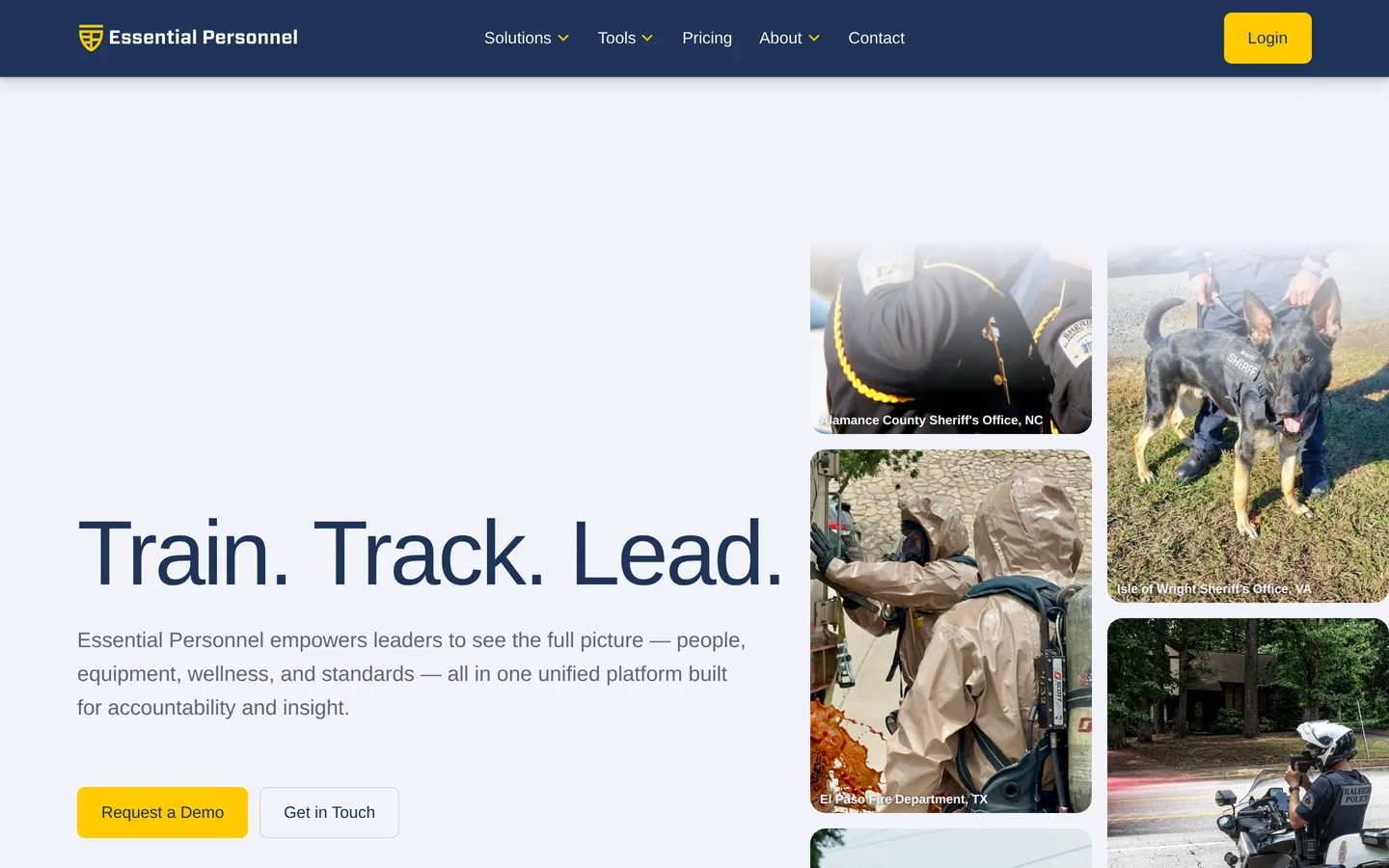
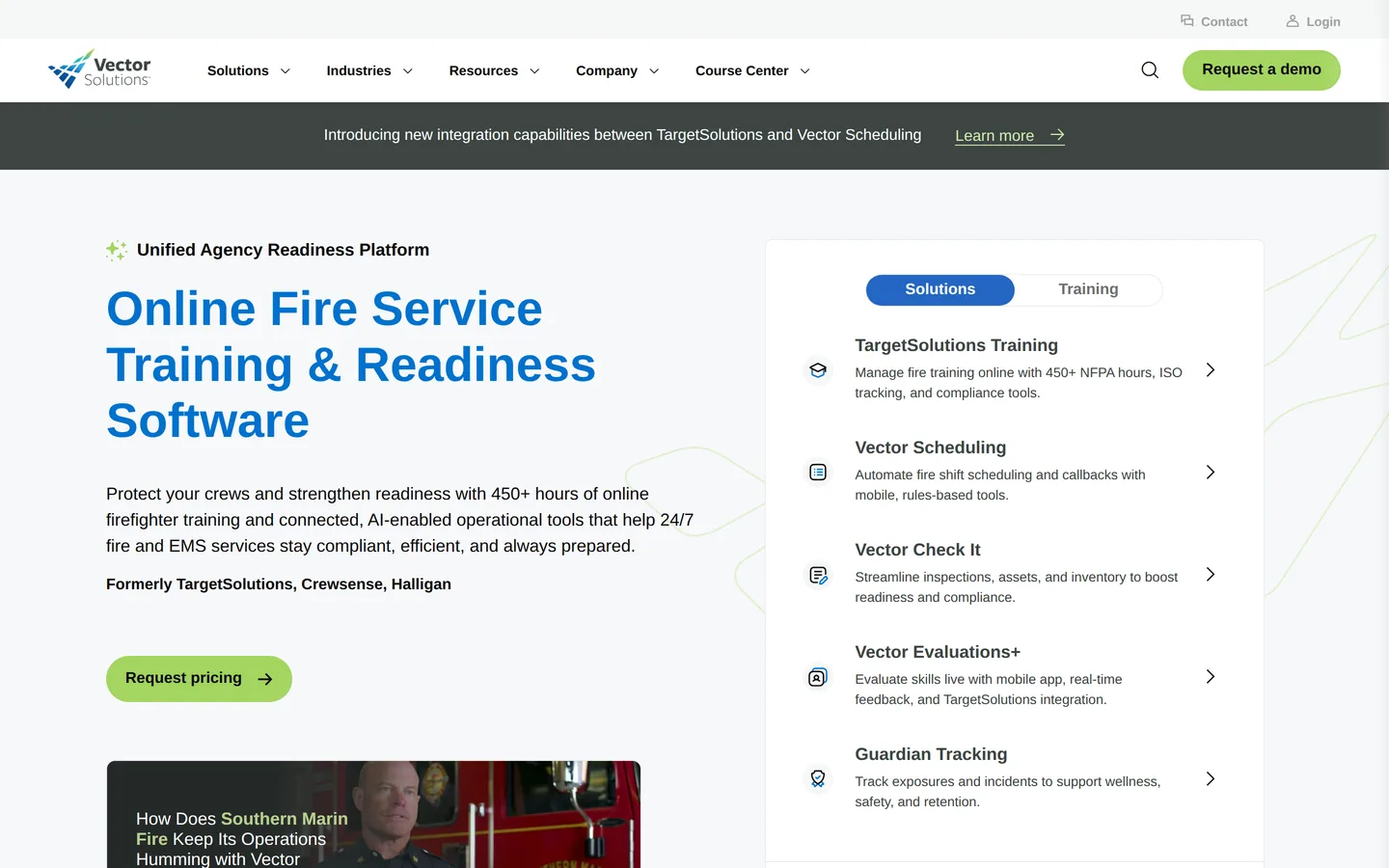
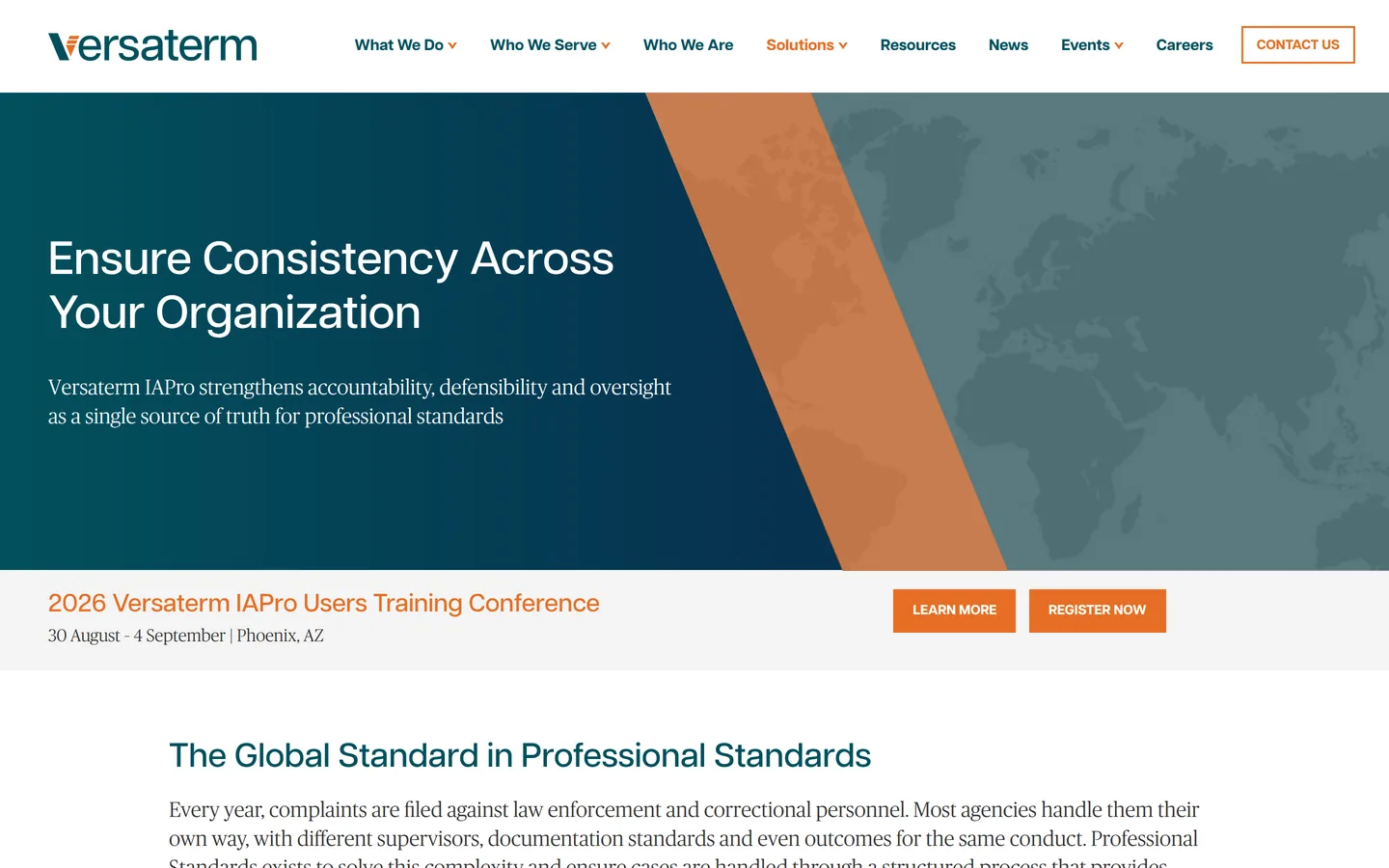
Professional standards software for fire departments is the system of record for member performance and accountability. It holds evaluations, coaching notes, commendations, corrective action, complaints, early intervention alerts and the training record on one file per member, with an approval trail behind every entry. Essential Personnel, Vector Solutions' Guardian Tracking and Versaterm's IAPro are the main products sold for it, and they start from different ends of the job.
The name comes from police work, where a professional standards unit investigates complaints and keeps the discipline file. Fire departments use the term more broadly. For a fire chief, professional standards is the whole question of whether you can show how a member was evaluated, trained, recognized and corrected, by whom and when, without someone rebuilding it from a filing cabinet.
What it does, in practice, is turn a member's history from a pile of documents into one record. A company officer writes a probationary evaluation on a phone after shift. A battalion chief routes a written reprimand for review. An award nomination goes through approval and lands on the member's file. A certification lapse raises an alert before the member rides out of rank. Each of those is a form today in most departments. In professional standards software, each is an entry on the same file, and the file is what you hand to a promotion board, an arbitrator or a new chief.
It isn't a learning management system and it isn't a records management system. An LMS delivers courses. An RMS holds incidents, apparatus and inspections. Professional standards software holds the person. The test at a demo is simple: open one member and ask to see their last three evaluations, every commendation and corrective entry, and their current certifications, on one screen.
The six jobs it does
Fire department professional standards software does six jobs: structured performance evaluations, discipline and corrective action documentation, commendations and awards, complaint and investigation tracking, early intervention, and the training and certification record. Essential Personnel covers all six on one member profile. Most other systems here cover two or three and leave the rest to paper.
- Performance evaluations and coaching. Structured evaluations rather than free text, so a recruit, a probationary firefighter and a captain are measured against defined standards. Look for scoring that adjusts for hard and easy graders, 360 feedback, and a place for supervisors to log coaching between formal reviews.
- Discipline and corrective action. Counseling, written warnings and corrective documents with a routing and approval workflow, so every entry carries who wrote it, who approved it and when. This is the record a grievance or a termination depends on.
- Commendations and awards. Nominations, approvals and the award on the member's file. Departments that only document the bad leave a lopsided record, and that shows at promotion time.
- Complaints and investigations. Intake of a citizen or internal complaint, assignment, findings and outcome, kept separate from the general personnel file but linked to the member.
- Early intervention. Thresholds that flag a pattern, such as repeated exposures, critical incidents, injuries or complaints, so a supervisor can offer support before a problem becomes discipline.
- The training record. Certifications, qualifications and NFPA task books on the same file, so a performance concern can be checked against what the member was actually trained on.
A seventh job sits beside these: posting policies and SOGs and confirming each member acknowledged them. A discipline case that cites a policy is only as strong as the proof the member signed it.
How fire professional standards differs from police
Police professional standards software is built around internal affairs: complaint intake, investigations, use of force review and early warning for officer misconduct. Fire departments see far fewer external complaints and rarely run an internal affairs unit, so fire professional standards leans toward probationary and officer evaluations, task books, commendations and corrective action, with early intervention aimed at exposures and critical incidents.
That difference matters when you buy, because most of this category was built for police first. Versaterm describes IAPro for law enforcement and correctional personnel. PowerDMS sells its Professional Standards Suite to law enforcement and corrections. Guardian Tracking was a police product for years before Vector Solutions launched it for fire and EMS agencies in 2023. A police tool can work in a fire department, but check that its forms, its alerts and its language fit a firehouse rather than a patrol division.
Two fire-specific needs separate the products. The first is the probationary year, where a recruit moves through academy, task books and company evaluations, and the record has to show the whole path. The second is exposure and critical incident tracking, because a firefighter's early intervention signal is more often an accumulation of bad calls than a complaint. A system that only knows complaints and use of force will miss both.
Essential Personnel was founded by two Wilmington firefighters, and their Talent Management suite carries task books that follow NFPA professional qualification standards. That's the clearest fire fit here, and it's why they take full marks on that criterion.
Why your RMS and your LMS don't cover it
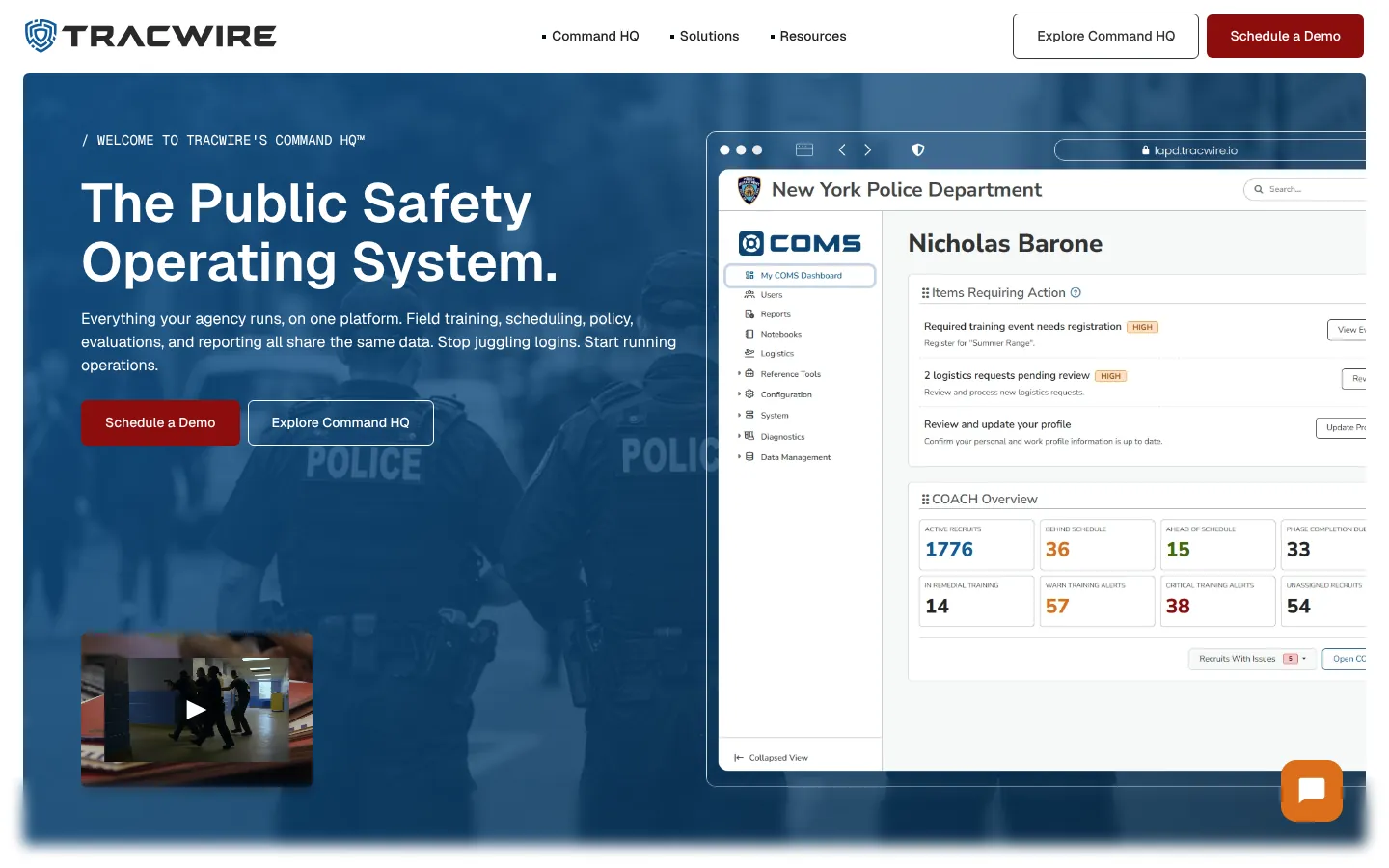
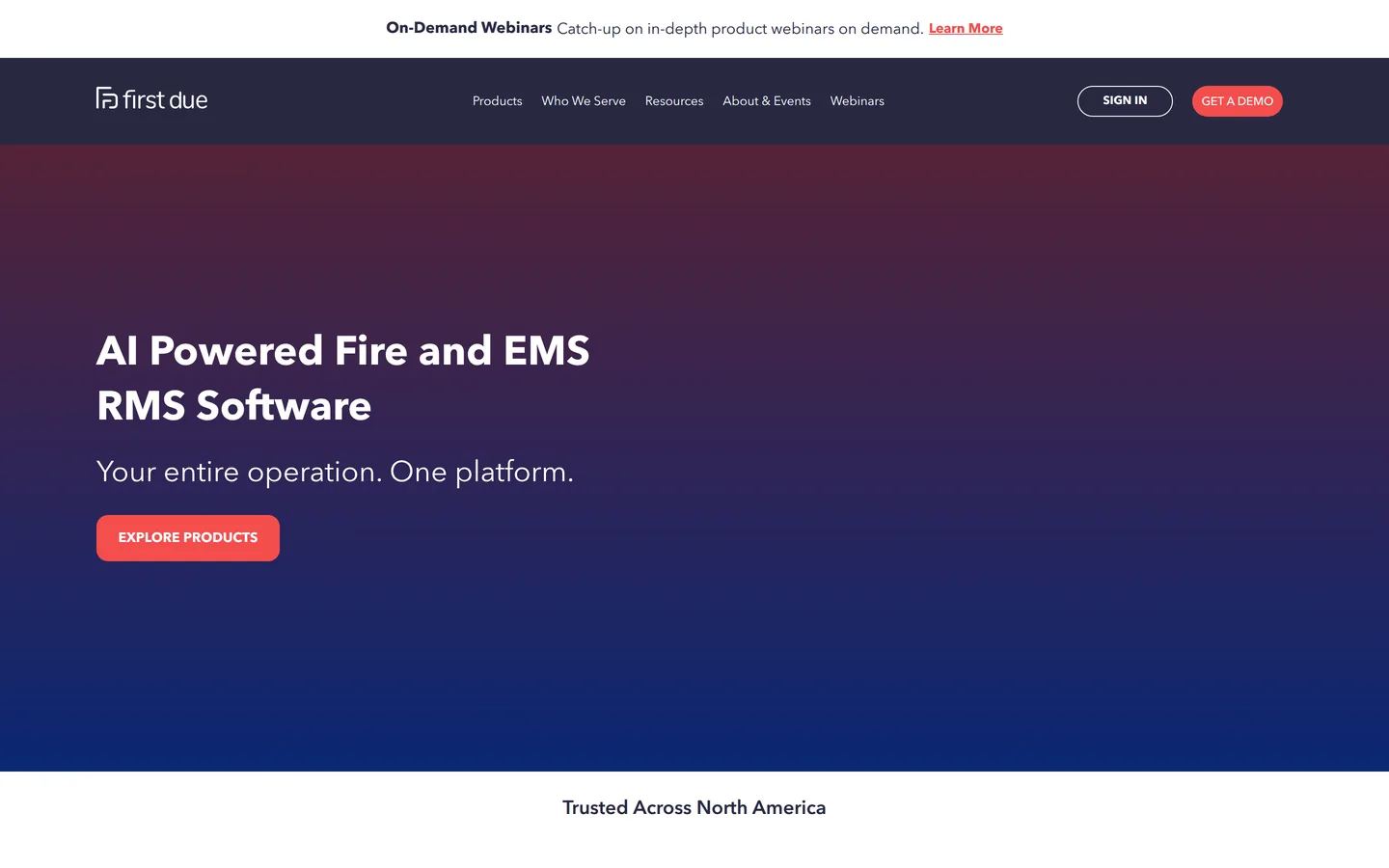
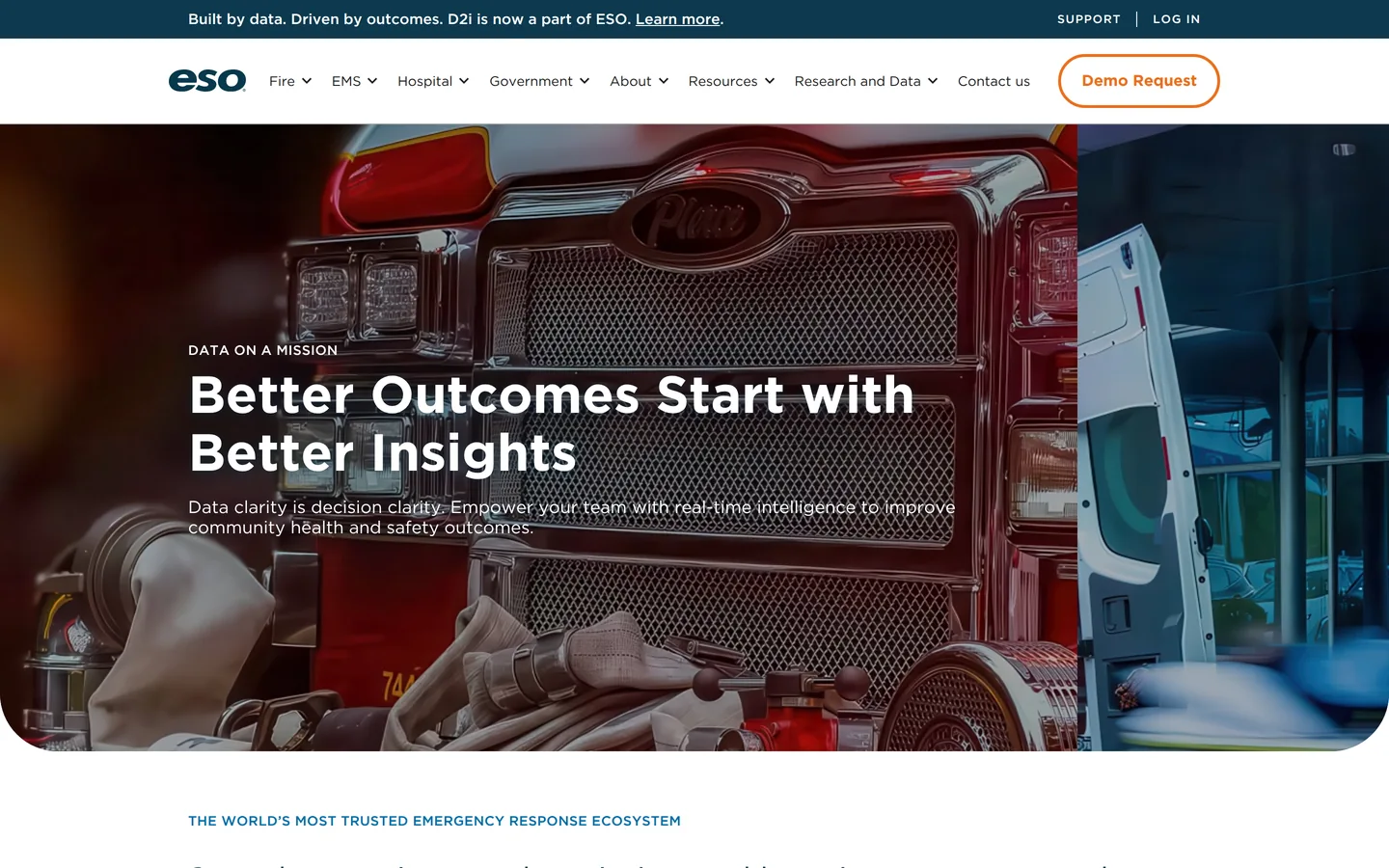
A fire RMS such as First Due or ESO holds incidents, inspections and personnel records, and an LMS such as TargetSolutions delivers training. Neither is built to hold a member's evaluations, corrective action and commendations with an approval trail. Most departments that think they have professional standards covered have the training half and are keeping the rest on paper.
The overlap is real, which is why the confusion exists. First Due's training product connects skills evaluations to job performance requirements, task books and certifications, and ESO keeps injuries, employment and training on one employee record with alerts on expiring certifications. Both are useful. Neither documents a written reprimand, routes an award nomination or flags a pattern in a member's file.
So the practical question isn't whether to replace your RMS. It's where the evaluation, the counseling form and the commendation live today. If the answer is a filing cabinet or a shared drive, that's the gap, and it's the gap a professional standards system fills alongside the RMS you already run. Essential Personnel integrates with First Due, ESO and Vector Solutions for exactly that reason.
How to choose between them
Choose by the record you can't produce today. If it's a member's evaluations, corrective action and awards in one file, start with a personnel record such as Essential Personnel. If it's formal complaint investigations at volume, add an internal affairs tool such as IAPro. If it's policy acknowledgements, a policy platform such as PowerDMS or Lexipol covers that one job well.
Take these questions into every demo, and ask to see live data rather than a slide:
- Open one member. Ask for evaluations, coaching notes, commendations, corrective entries and certifications on one screen. Count the tabs.
- Route a reprimand. Ask them to write a corrective entry, route it to a battalion chief for approval and show the audit trail afterwards, including whether the timestamp survives an edit.
- Show a probationary year. Ask how a recruit's task books, company evaluations and sign-offs appear together, and what the chief sees at the end of probation.
- Trigger an alert. Ask what happens after a member's third critical incident in a month, who is told, and whether that alert is kept apart from the disciplinary file.
- Price the whole roster. Ask whether volunteers and part-time members count as users, and what the total is including implementation.
Two questions separate the systems that hold records from the ones that use them. Does a promotion board see the same evidence for every candidate without anyone assembling it? And when a member is disciplined, can you show they were trained on, and acknowledged, the policy they broke?
What it costs
Seven of the eight systems here are quote only. Essential Personnel publishes their prices: Talent Management, which holds evaluations, discipline, awards and training, is $85 per user per year, and the Total Solution covering all four suites is $175, plus a $3,000 one-time start-up fee and optional single sign-on at $800 per year.
Their other suites are Safety & Wellness at $40 for incident tracking, case management and early intervention, Guidance at $30 for policy posting and acknowledgement, and Equipment at $20. The four add to exactly $175, so the bundle carries no discount and no penalty. Size-based discounts exist but aren't published, so the listed rate is a ceiling. Their pricing page carries the current numbers.
For everyone else, budget a sales cycle before you have a number. When you get quotes, line them up per user per year with implementation shown separately, and check what each quote leaves out. A training platform quoted alone and a conduct module quoted alone can add up to more than one system that does both.